Best Relief for Anxiety: Fast Calming + Long-Term Help
What is the best relief for anxiety?
The best relief for anxiety is usually a mix of fast-acting calming tools and longer-term habits that lower your baseline stress. What works best depends on whether you need immediate relief (like during a spike of worry) or steadier, ongoing support. For many people, the most reliable approach combines simple body-based techniques, consistent sleep and movement, and professional care when symptoms are frequent or disruptive.
Fast relief you can use right now
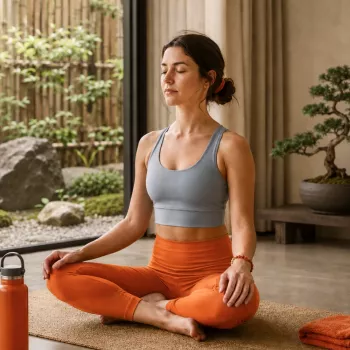
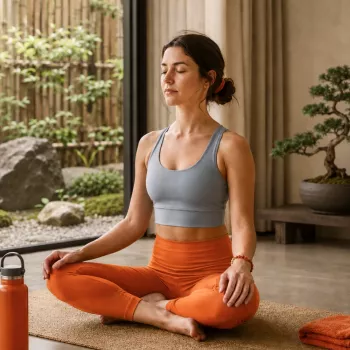
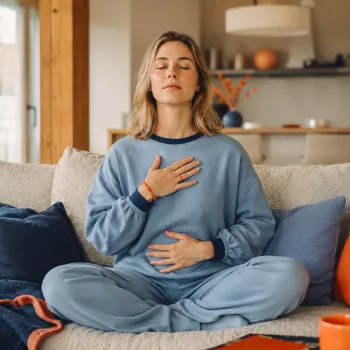
When anxiety feels intense, start with your body. Slow breathing (such as inhaling for 4 counts and exhaling for 6) can reduce physical symptoms like a racing heart. Grounding techniques—naming 5 things you can see, 4 you can feel, 3 you can hear—can interrupt spiraling thoughts. A brisk 10-minute walk, a cold splash of water, or progressive muscle relaxation can also help discharge tension quickly.
Relief that holds up over time
Longer-term relief tends to come from consistency. Regular exercise, adequate hydration, and steady meals help stabilize mood and energy. Sleep matters: a fixed wake time and a wind-down routine often reduce anxious peaks. Limiting caffeine and alcohol can make a noticeable difference, especially if anxiety shows up as jitters, restlessness, or insomnia.
Therapy, medication, and when to seek extra support
If anxiety is persistent, therapy can be one of the most effective forms of relief. Cognitive behavioral therapy (CBT) helps retrain worry patterns and reduce avoidance behaviors. Some people also benefit from medication prescribed by a clinician, particularly when anxiety interferes with work, relationships, or daily functioning. If anxiety comes with panic attacks, chest pain, or thoughts of self-harm, seek urgent medical help.
For a deeper breakdown of practical options and how to choose what fits your situation, visit https://rarewondersplaza.shop/what-is-the-best-relief-for-anxiety/.
FAQ
How can I calm anxiety naturally without medication?
Start with slow breathing, light movement, and grounding exercises, then build daily support with consistent sleep, regular exercise, and reduced caffeine. Journaling and structured worry time can also limit rumination.









Leave a comment