Downloadable Lesson Storybook PDF for Kids
Educational Storybook for Growing Minds: Imaginative Lessons Kids Can Enjoy Anywhere
A strong story can do more than entertain—it can help children name feelings, practice empathy, and build everyday problem-solving skills. This downloadable kids eBook story collection pairs imagination with gentle lessons, making it a flexible choice for bedtime, quiet time, classroom centers, or on-the-go reading. When stories are easy to access and easy to repeat, children get more chances to revisit helpful ideas—like making amends, trying again, or choosing kindness—without the moment feeling heavy.
What This Story Collection Is
This is a digital storybook collection created for kids and delivered as a PDF download, so it’s ready when you are—no shipping wait and no need to keep track of multiple single-story files. The stories lean into imaginative, kid-friendly scenarios while quietly reinforcing simple lessons children can recognize in real life: choices, patience, responsibility, honesty, and how to treat others.
It works well as a read-aloud with an adult (especially for younger listeners) and can also support emerging independent readers depending on age and reading level. Because it’s a collection, it offers variety across multiple reading sessions while still providing the comfort of familiar story patterns that many kids enjoy.
Who It’s For (And When It Fits Best)
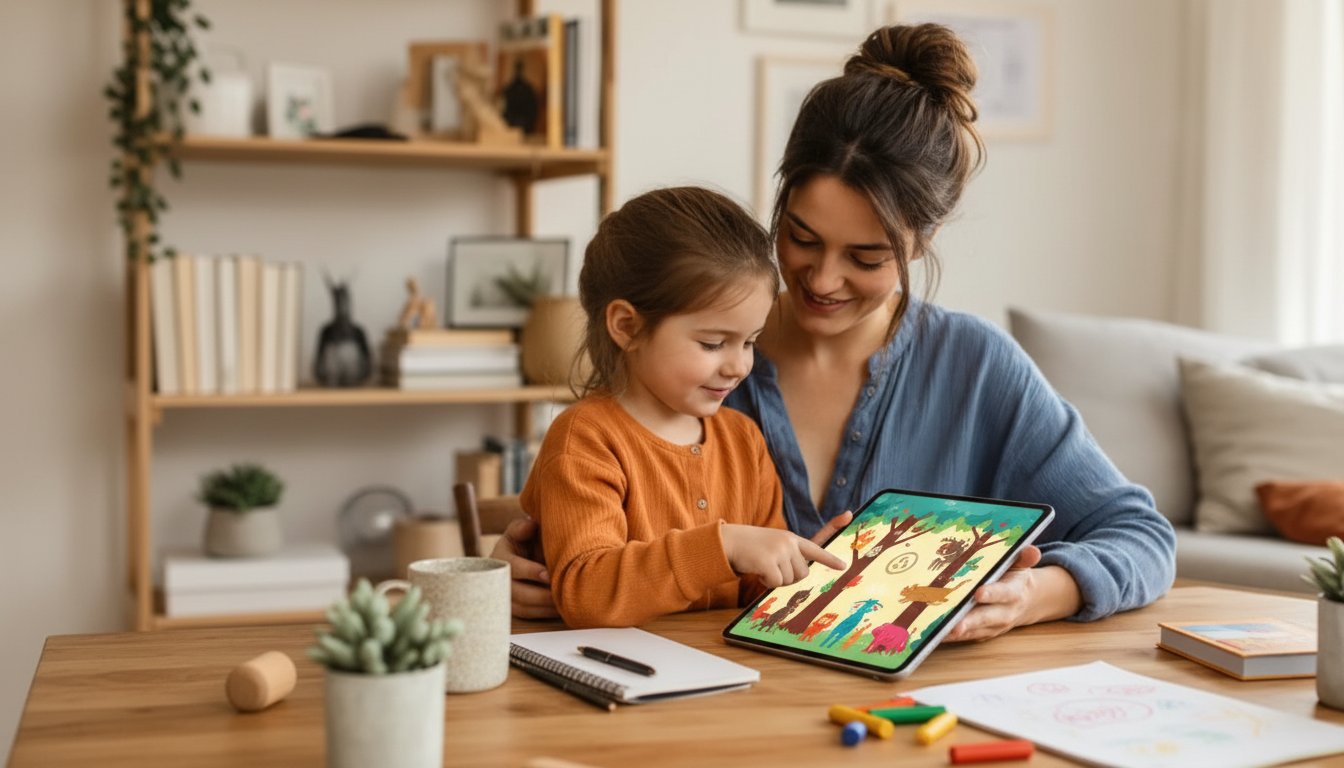
Families often want bedtime stories that lead to calm connection, not a big “teaching moment.” Lesson-based stories can open a quick, natural conversation—one question, one reflection—without turning story time into a lecture. The PDF format is also helpful for caregivers trying to keep screen time intentional: reading together, pausing for a prediction, and noticing how a character’s choice changes the outcome.
Teachers, tutors, and homeschoolers can use a story collection as a low-prep resource for discussion prompts, retells, and light comprehension checks. And it’s a practical backup for those moments when paper books aren’t available: waiting rooms, trips, quiet corners, and after-school downtime.
Skills and Values Stories Can Reinforce
Stories give children a safe “practice space” to notice emotions, think through consequences, and imagine better choices next time. Regular read-aloud routines are also strongly connected with literacy development and positive learning habits; resources like the American Academy of Pediatrics literacy promotion guidance highlight the long-term value of shared reading.
- Social-emotional learning: recognizing feelings, practicing empathy, and understanding how actions affect others.
- Executive function foundations: thinking ahead, managing impulses, and noticing cause-and-effect.
- Communication: building vocabulary in context and practicing retelling, summarizing, and predicting outcomes.
- Character growth: gentle reinforcement of honesty, perseverance, respect, and teamwork.
- Confidence-building: repeated reading supports fluency, especially for kids who like familiar story rhythms.
These benefits line up with broader early childhood development priorities as well; UNICEF’s overview of early childhood development emphasizes how early experiences and interactions shape learning and well-being.
Simple Ways to Use the PDF at Home or in Class
Because the stories are contained in one file, it’s easy to keep routines short and consistent. A predictable format—story, one question, one takeaway—often makes the lesson stick better than a long discussion.
Quick-Start Guide: Devices, Printing, and Kid-Friendly Reading
Digital reading can be warm and focused when the setup is intentional. If you’re using a screen, reduce distractions and keep the routine predictable—especially at night. For screen-time balance ideas, Common Sense Media’s screen time guidance can help families set practical boundaries that still allow meaningful reading together.
Reading Setups That Work Well for Different Moments
| Moment | Best format | Why it helps | Try this prompt |
|---|---|---|---|
| Bedtime wind-down | Tablet with night mode or printed pages | Lower stimulation and easier focus | “What did the character learn?” |
| After-school reset | Tablet or laptop | Quick access when kids want a story fast | “What choice would you change?” |
| Classroom small group | Printed pages or projected PDF | Simple to share and discuss together | “What problem did they solve first?” |
| Travel or waiting rooms | Phone/tablet | Portable and no extra packing | “Name one kind thing a character did.” |
What to Look For in Lesson-Based Stories
A Convenient Option for Story Time
If you want a ready-to-use reading resource that’s fun and thoughtful, a downloadable collection makes it easy to begin immediately and stay consistent. Explore Educational Storybook for Growing Minds (digital download) for a simple way to add imaginative stories with gentle lessons to your home or classroom routine.
To build a small “on-the-go learning kit,” pair story time with helpful digital guides you can keep on your phone. For example, an easy packing companion like Eco-Friendly Traveler Checklist | Sustainable Travel Digital Download can support family trips, and Travel Security & Scam Awareness Guide | Digital Safety Handbook is a practical read before bigger vacations.
FAQ
Is a PDF kids storybook better for reading on a tablet or printing?
Both work well. Tablets are portable and let you adjust brightness and zoom, while printing can reduce distractions and may be easier for younger kids who focus better off-screen. Choose the format that fits your child’s attention needs and the moment (bedtime, travel, or school).
How can a parent turn a story’s lesson into a quick conversation?
Use one prompt during reading (feelings or predictions) and one after (choices or consequences). Try: “How do you think they felt?” “What would you do next?” and “What’s one thing you can try tomorrow?” Keeping it to two minutes makes it easy to repeat.
What age range does an educational story collection usually suit?
Many collections work from early childhood through elementary ages, especially when an adult reads aloud to younger children. Independent reading depends on reading level, vocabulary, and story length, so previewing a story is a good way to gauge fit.











Leave a comment